

Faster recovery after childbirth - key nutrients and nutritional supplements
 LIFESTYLE
  7 MIN
7 MIN  ALMAGEA
  03.03.2025
LIFESTYLE 7 MIN ALMAGEA 03.03.2025
Priroda je predvidjela da tjelesne i hormonalne promjene tijekom trudnoće osiguraju rast i razvoj djeteta. No, trudnoća ne mijenja samo dijete nego transformira i majku – tjelesno, hormonski i emocionalno. Tijelo žene prilagođava se kako bi podržalo trudnoću, porod, a kasnije i dojenje te pritom doživljava duboku tjelesnu i emocionalnu preobrazbu.
During the preparation of the body for motherhood, the uterus grows, blood volume increases, and hormones such as oxytocin and prolactin strengthen the feeling of connection with the child and regulate breastfeeding. During pregnancy, the mother's body consumes large amounts of nutrients to support the growth and development of the baby. Childbirth is also a challenging period for the mother. Blood loss during childbirth can decrease iron levels, and iron, along with B vitamins12 it is a key nutrient for the recovery and energy of a tired mother.
Breastfeeding increases the body's needs for calcium, vitamin D, iodine and omega-3 fatty acids (especially DHA fatty acid), key nutrients for the development of the baby's brain and nervous system. Also, in order for the mother to be able to withstand the initial pace of breastfeeding, it is important to supply a sufficient amount of folate and other B group vitamins that support energy production and normal functioning of the body.
After childbirth and during breastfeeding, significant hormonal changes, nutritional needs and physical stress leave their mark on hair, skin and nails. During pregnancy, the high level of estrogen prolongs the hair growth phase, so the hair appears denser and stronger. After childbirth, estrogen levels falls sharply which causes increased hair loss that continues for several months after childbirth. Hair can also become thinner, more brittle and dry due to hormonal changes and exhaustion of the body. The skin after childbirth can become dry and more sensitive, and the deficiency omega-3 fatty acids and vitamin D can worsen the condition. We can support the health of hair, skin and nails adequate hydration of the body and a balanced diet rich in iron, zinc, omega-3 fatty acids, biotin and other B group vitamins.
Nutrient deficiencies, especially during pregnancy and breastfeeding, can have a significant impact on a mother's mood and her bond with her child. Research has shown that there is a link between the lack of certain nutrients and the development of postpartum depression. Low levels of omega-3 fatty acids, folic acid, B vitamins12 and iron may increase the risk of postpartum depression. It has been observed that during pregnancy the supply of omega-3 fatty acids decreases, and return to pre-pregnancy levels takes up to six months after delivery. Some studies link chronic fatigue, which occurs in nursing mothers, with the consequences of depletion of DHA reserves in the body, but also atopic dermatitis, which occurs more and more often in newborns. Therefore, a balanced diet, along with prenatal nutritional supplements, is essential before, during and after pregnancy.
Numerous recent studies confirm that certain nutrients have an anti-depressant effect thanks to their anti-inflammatory and antioxidant properties. Earlier research confirmed the connection between levels of B complex vitamins, selenium, magnesium, iron, calcium, zinc, omega-3 fatty acids and mood changes.
The intake of omega-3 fatty acids through the mother's diet directly affects the concentrations of EPA and DHA in breast milk. Magnetic resonance imaging studies show that infants whose mothers have a high intake of omega-3 fatty acids, either through diet or supplements, have larger brain volumes, especially in areas responsible for cognitive function. In addition to the fact that omega-3 fatty acids support the mental health of the mother and the cognitive development of the child, they can also have an impact on his temperament. A 2019 study found that breast milk rich in omega-3 fatty acids may be associated with reduced sadness and agitation in infants.

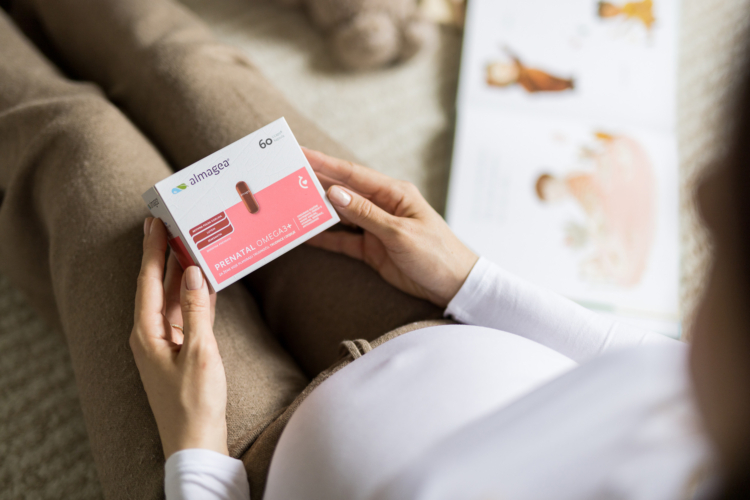
Recovery after childbirth requires attention, proper nutrition and adequate intake of nutrients. In order for mothers to be the best version of themselves, it helps to take care of their own body after giving birth Prenatal Omega3+. Prenatal Omega3+ can play a key role in replenishing the supply of active folate, iron, omega-3 fatty acids and other essential nutrients needed for energy, hormonal balance and maternal well-being. Prenatal Omega3+ stands out among prenatal nutritional supplements in that it also provides the intake of natural carotenoid pigments, lutein and zeaxanthin, which are important for protecting the eyes of mom and baby, and are also a structural part of the brain and thus extremely important for its proper development from the first days of life. Lutein and zeaxanthin are concentrated in the brain, skin, breast tissue, but also in breast milk, thus providing antioxidant protection for the baby and mother.
For a faster recovery of the mother after childbirth, it is recommended to use Prenatal Omega3+ in a dose of 2 capsules per day, with meals immediately after childbirth and during the entire breastfeeding period. Prenatal Omega3+ contains useful nutrients that are quickly absorbed into the mother's bloodstream and provide beneficial effects so that mothers are better prepared for all the challenges of motherhood.


Get to know us
Dietary supplements
Information
Let's connect
© 2024. Almagea d.o.o., Ulica Julija Knifera 4, 10 020 Zagreb
Fixed conversion rate: €1 = HRK 7.5345
buy quickly and safely