

Could curcumin become a key part of future HPV therapies?
 LIFESTYLE
  3 MIN
3 MIN  ALMAGEA
  20.01.2022
LIFESTYLE 3 MIN ALMAGEA 20.01.2022
In Croatia, one woman is diagnosed with cervical cancer every day, and one woman dies from it every third day. Because of effective and affordable prevention, cervical cancer is one of ours public health priorities.
In addition to cancers and cardiovascular diseases, the health challenges facing humanity in the 21st century are the extraordinary spread of viruses. However, in this article, we will not talk about the most common topic of our time (the SARS-CoV-2 virus pandemic), but about human papillomavirus (HPV).
During their lifetime, at least 50% of sexually active people will be infected with HPV. HPV infection usually goes away on its own with the action of your own immune system. HPV is the most common sexually transmitted disease affecting 13% of the world's population1 i nažalost još uvijek ne zauzima dovoljno medijskog prostora kojeg „zaslužuje“ obzirom da se prema prethodnim izvješćima svake godine može očekivati 34 800 novih karcinoma povezanih s HPV-om, ako se širenje infekcije ne spriječi2.
Depending on your oncogenic potential (the propensity of the virus to promote carcinogenic changes in our cells), HPV types are divided into low risk and high-risk types.
Namely, HPV is the cause of cervical cancer in over 98% of cases that's why it's known as "silent killer", since infected people are usually not aware of the presence of the virus, nor of the cancer that develops because of it, until it is too late to cure. On the other hand, current therapeutic approaches have certain limitations, therefore the development of new therapeutic platforms could optimize the outcome of the treatment of cancers related to the reproductive system.
Najznačajnije ljekovite biljke, koje se često koriste u antivirusnim tretmanima u Ayurvedskoj medicini, unazad desetak godina često su predmet istraživačkih studija.
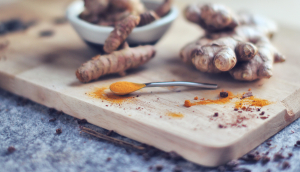
Kurkumin je i glavni bioaktivni sastojak kurkume te posjeduje različite terapeutske potencijale, kao što su: antitumorski5,6, anti-aterosklerotski7,8, antimikrobni, antiviralni9, antioksidacijski10 i protuupalni11–13. Više od 300 kliničkih istraživanja potvrdilo je njegovo blagotvorno djelovanje kod raznih bolesti, a kod ove tematike posebno nam je interesantno njegovo antiviralno i antikarcinogeno djelovanje.
Prirodni spojevi poput kurkumina imaju sposobnost modulirati neke genetske i epigenetske mehanizme, što može povećati osjetljivost stanica raka na konvencionalne lijekove te tako inhibiraju rast tumora14,15.
Za kurkumin je otkriveno da ima veliki izbor molekularnih targeta (ciljeva), uključujući neke transkripcijske faktore, genetske modulatore, kinaze, faktore rasta i receptore na staničnim membranama16-20. Dakle, možemo reći da ovaj drevni sastojak ima svojstvo da nas na genetskoj razini štiti od razvoja neželjenih promjena na stanicama. Brojna istraživanja su pokazala da kurkumin djeluje kao blagotvorno pomoćno i kemopreventivno sredstvo kod karcinoma21. Ono što je izuzetno bitno: studije na ljudima su pokazale podnošljivost, sigurnost i antikarcinogenu sposobnost ovog spoja za ljude22, 23.
Rak vrata maternice je treći po učestalosti malignitet i četvrti vodeći uzrok smrtnosti od raka kod žena24. U današnje vrijeme njegova učestalost sve je veća među mlađim ženama25. Pacijenti koji su još u ranoj fazi stadija imaju dobru prognozu i uspješno odgovaraju na konvencionalne tretmane, uključujući kemozračenje i/ ili kirurški zahvat26. U nizu istraživanja, kurkumin pokazuje kemoterapeutsko djelovanje i kemopreventivne učinke27. Nekoliko studija je dokazalo potencijalnu korist kurkumina u liječenju s monoterapijom (kada je korišten samo kurkumin) i u kombinaciji sa standardnim kemoterapeutskim lijekovima. Također zanimljivo – pokazalo se da curcumin improves the effectiveness of current therapy by sensitizing the resistance of cancer cells to chemoradiotherapy, koja je bila velika prepreka u liječenju raka.
Studija znanstvenika Divya i Pillai iz 2006. godine imala je za cilj analizirati antitumorska i antivirusna svojstva kurkumina na stanice raka vrata maternice povezane s HPV-om. Njihovi nalazi pokazuju da je kurkumin citotoksičan za stanice raka vrata maternice. Citotoksična aktivnost bila je selektivno veća u stanicama inficiranim visoko-rizičnim tipovima HPV-a (tipovima 16 i 18) u usporedbi sa stanicama koje nisu inficirane HPV-om29.
Učinci kurkumina kod ginekoloških karcinoma pokazuju da je njegovo djelovanje povezano s aktivacijom autofagije i apoptotičkih puteva te inhibicija invazije i metastaziranja karcinogenih stanica kod više vrsti tumora. Kurkumin potiskuje (suprimira) tvari koje potiču upalu (poput NF-κB i njegovih genskih „meta“) i koje igraju značajnu ulogu u kontroli invazije i metastaziranju stanica raka28.
Ravnoteža između proliferacije (dijeljenja) tumorskih stanica i spontane stanične smrti putem apoptoze imala je važnu ulogu u regulaciji rasta tumorskih stanica. Kurkuminom je inducirana apoptoza u stanicama raka vrata maternice. Kurkumin je također selektivno regulirao vezanje AP-1, nezamjenjive komponente (specifične za epitelno tkivo) za učinkovitu ekspresiju gena HPV-a.
Ovi rezultati pružaju atraktivne podatke za moguću upotrebu kurkumina u liječenju tumora povezanih s HPV-om30. Ghasemi i suradnici nedavno su proveli in vitro studiju za procjenu mehanizama povezanih s antikancerogenim učincima kurkumina na stanične linije raka vrata maternice te su još jednom potvrdili da kurkumin suzbija proliferaciju i invaziju stanica raka u vrat maternice31.
Nedavno je objavljeno da kurkumin pokazuje izuzetno „pametno“ djelovanje, naime on podiže unutarstanične razine reaktivnih kisikovih vrsta (engl. ROS, reactive oxygen species) u stanicama raka vrata maternice, ali ne i u zdravim epitelnim stanicama. Upravo su ti ROS slobodni radikali koji djeluju citotoksično na stanice raka. Ova zapažanja pokazuju da kurkumin potiče apoptozu stanica raka vrata maternice povećanjem stvaranja ROS-a specifične za taj tip stanice32.
Prema Yoysungnoen-Chintaninom izvješću studije33 koju su proveli na animalnom modelu, pokazano je da kurkumin inhibira angiogenezu as well as tumor growth.
Ono što je izuzetno važno jest sigurnost i podnošljivost kurkumina koja je dokazana u brojnim kliničkim studijama. Iz svih iznesenih podataka i činjenica zaključujemo da je potrebno više studija usmjeriti na prirodom pružene, aktivne sastojke, koji imaju veliki potencijal korištenja za razvoj antivirusnih lijekova buduće generacije34. Uz navedene blagotvorne učinke, terapija kurkuminom ipak se suočava s određenim ograničenjima kao što je niska bioraspoloživost.
The bioavailability of a compound indicates the proportion of the applied active ingredient that reaches the systemic circulation and shows benefits for the user's health. Since poor bioavailability limits the therapeutic benefit of curcumin, numerous attempts have been made to increase its absorption. In this regard, the most significant contribution to the bioavailability of curcumin was achieved by the company AQUANOVA (Germany), which produced curcumin in micelles (zaštićenog imena: NovaSOL® Curcumin).
How was this achieved? Korištenjem fizikalnog procesa solubilization – kojim se omogućuje da kurkumin, koji je inače netopiv u vodi, postaje u vodi topiv. Bioraspoloživost ovog micelarnog oblika kurkumina dokazana je studijom iz 2014. godine35 u kojoj je sudjelovalo 23 ljudska ispitanika gdje je dokazano da oblik solubilizata kurkumina u micelama pokazuje superior bioavailability compared to other forms of curcumin; specifically he had even 185 times more bioavailability than native curcumin which we find in turmeric powder. This important scientific and technological step opens up new horizons in the prevention and treatment of the biggest challenges of today's medicine.
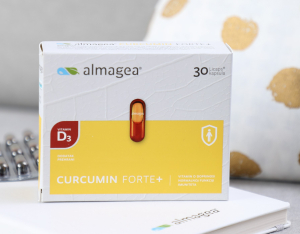
Curcumin Forte+ sadrži snažnu sinergiju visoko iskoristivog micelarnog oblika kurkumina (NovaSOL® Curcumin) i vitamina D koji doprinosi normalnoj funkciji imuniteta. Tako one Licaps® capsule corresponds to the use of 5800 mg of native curcumin, that is, approximately 232 grama praha kurkume. Curcumin Forte+ dolazi u Licaps® kapsulama koje ne sadrže otapala, konzervanse, gluten, škrob, šećer, plastifikatore, laktozu, alergene i GMO sastojke. Proizvod je namijenjen svim osobama koje žele doprinijeti boljoj funkciji imuniteta, pravilnijem procesu dijeljenja i funkcije stanica te onima koji žele unijeti visoko-iskoristiv oblik kurkumina.
Thank you for taking the time to read this text!If you liked it, share this text with a loved one who you know should read it so that together we can increase awareness of the steps we can take to prevent the spread of HPV and the occurrence cervical cancer!
All shared information is based on research and facts and we recommend using it only as a supplement to the recommendations and official diagnosis of your doctor/specialist and is not a substitute for medical opinion. If you and/or your partner have HPV, we invite you to contact your gynecologist (žene) ili dermatovenerologu (muškarci). Dodatak prehrani nije nadomjestak ili zamjena uravnoteženoj prehrani. Važno je pridržavati se raznolike i uravnotežene prehrani te zdravog načina života.
35. Schiborr C, Kocher A, Behnam D, Jandasek J, Toelstede S, Frank J. (2014) The oral bioavailability of curcumin from micronized powder and liquid micelles is significantly increased in healthy humans and differs between sexes. Mol Nutr Food Res; 58(3):516-27.

Support for the body's natural defenses with the power of curcumin and vitamin D.
22.47 €


Get to know us
Dietary supplements
Information
Let's connect
© 2024. Almagea d.o.o., Ulica Julija Knifera 4, 10 020 Zagreb
Fixed conversion rate: €1 = HRK 7.5345
buy quickly and safely