

Spermmaxxing: what science really says about improving male fertility
 LIFESTYLE
  8 MIN
8 MIN  ALMAGEA
  10.07.2026
LIFESTYLE 8 MIN ALMAGEA 10.07.2026
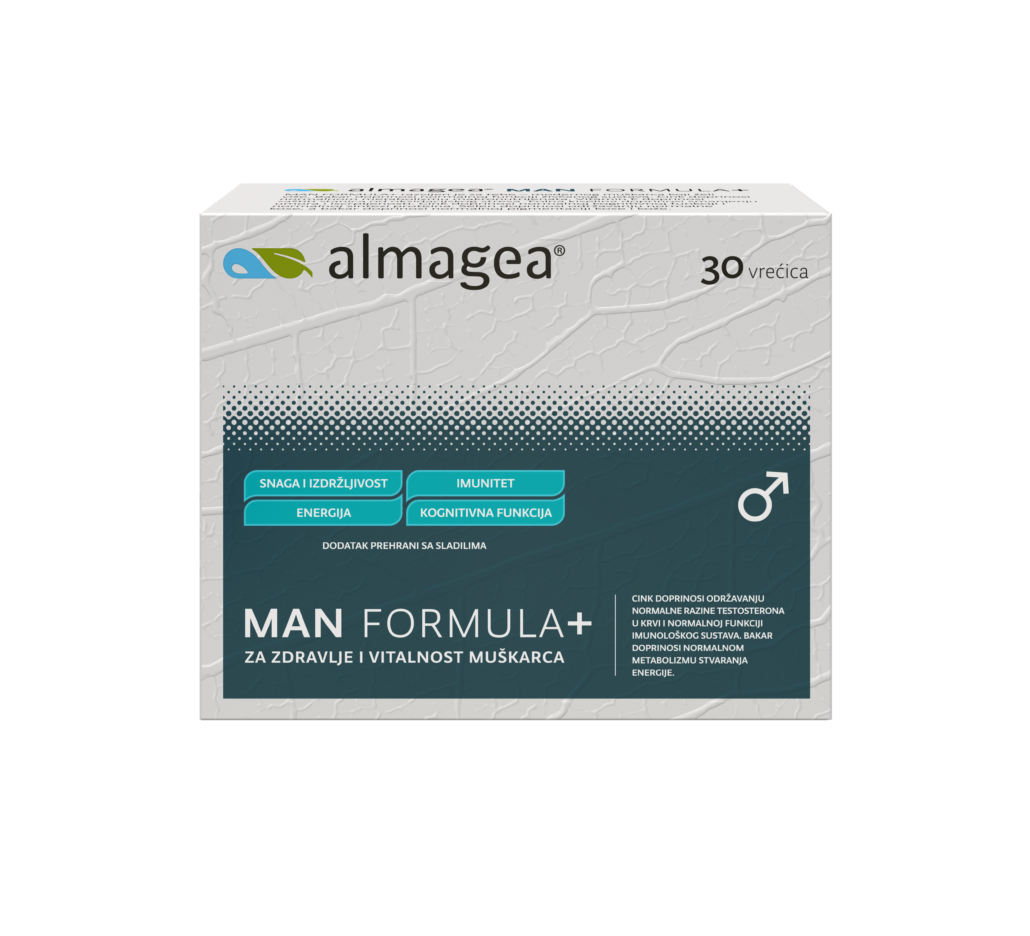
The term spermmaxxing has spread across social media in recent years as a new term for optimizing male fertility and sperm quality. Behind the modern label lies an old but important topic: a man's health before conception. The good news is that a growing number of men are taking their role in fertility, their partner's pregnancy, and the health of their future child more seriously. The less encouraging news is that useful advice is often accompanied by unfounded and even potentially harmful recommendations.
Sperm quality depends on several factors: sperm count, motility, morphology, and overall function. Male factors contribute to roughly half of fertility problems, yet many cases remain unexplained. That is why two points deserve emphasis: men can do a great deal for their reproductive health, but the issue should not be reduced to blame, obsession, or a search for “miracle” solutions.

Sperm develop over approximately 90 days. This means that changes a man makes today may affect sperm quality about three months from now. That is why preparing for pregnancy is an ideal time to invest in health, beginning at least three to six months before the planned conception.
The measures with the strongest evidence are generally not spectacular, but they are effective: a balanced diet, regular physical activity, maintaining a healthy body weight, getting enough sleep, quitting smoking, and avoiding recreational drugs. A diet rich in whole foods, omega-3 fatty acids, antioxidants, vitamin D, folate, zinc, selenium, lycopene, and other protective nutrients is associated with better sperm quality. By contrast, a diet high in processed meat, sugar, trans fats, and excess saturated fat may have an adverse effect.
Physical activity supports hormonal balance, circulation, and metabolic health, which may also benefit fertility. However, extremes are not helpful. Excessive endurance training can negatively affect testosterone levels and sperm quality. The aim is not to train as if you were preparing for the Olympics, but to exercise regularly, sensibly, and sustainably.
Body weight also plays an important role. Being overweight or obese is associated with poorer semen parameters, including a lower sperm count and reduced quality. Encouragingly, losing excess weight—especially through healthy habits—may improve reproductive health.

Smoking is one of the clearest threats to male fertility. It can damage sperm DNA and reduce sperm count, semen volume, and motility. Occasional, moderate alcohol consumption is unlikely to have a major effect, but regular or heavy drinking can reduce sperm quality, libido, and erectile function. Recreational drugs, including marijuana, cocaine, heroin, and especially anabolic steroids, can seriously impair fertility.
Medication also deserves attention. Some medicines—including those used for pain, depression, anxiety, or cancer treatment—can affect fertility. It is therefore best to speak with a doctor before drawing conclusions or stopping treatment on your own.
Stress is another factor that is often underestimated. Chronic stress can disrupt the hormones involved in sperm production. Managing stress through physical activity, psychological support, good-quality sleep, or relaxation techniques can support both mental and reproductive health.
Social media is also a source of numerous myths. For example, there is no high-quality evidence that tight underwear significantly reduces sperm count. Taking testosterone without medical supervision is a particularly dangerous misconception: external testosterone can signal the brain to stop the body's own production, which may reduce or completely halt sperm production. Furthermore, prolonged abstinence from ejaculation does not necessarily improve sperm quality; regular ejaculation every one to two days may be more favorable for motility and lower sperm DNA damage.
Extreme methods such as cooling the testicles in a sauna have no proven benefit and may damage the skin. The testicles are located outside the body because sperm production requires a slightly lower temperature, so it is reasonable to avoid prolonged hot baths and sauna sessions while trying to conceive.

When should you seek help? If a couple has not conceived after one year of regular unprotected intercourse, they are advised to consult a doctor. If the female partner is over 35, medical advice is recommended after six months of trying. Both partners should be evaluated at the same time. For men, the process usually begins with a discussion of medical history, medication, infections, injuries, and family history, followed by a physical examination and semen analysis.
In conclusion, spermmaxxing can be useful if it motivates men to take better care of their health. The problem arises when it turns into fear, guilt, and the purchase of quick fixes. The best approach remains simple: do what is reasonable, evidence-based, and sustainable—and seek professional help for everything else. Male fertility is not just about sperm; it also reflects a man's overall health before he becomes a father.


Get to know us
Dietary supplements
Information
Let's connect
© 2024. Almagea d.o.o., Ulica Julija Knifera 4, 10 020 Zagreb
Fixed conversion rate: €1 = HRK 7.5345
buy quickly and safely