

They also take care of the eyes during pregnancy: why are lutein and zeaxanthin important for you and your baby?
 LIFESTYLE
  5 MIN
5 MIN  ALMAGEA
  01.08.2025
LIFESTYLE 5 MIN ALMAGEA 01.08.2025
Lutein and zeaxanthin are carotenoid plant pigments that give fruits and vegetables their yellow or reddish hue. These carotenoids are considered powerful antioxidants that defend the body against unstable free radical molecules that cause oxidative stress in the body. In excessive amounts, free radicals can damage cells and contribute to aging and oxidative stress and the development of numerous diseases. Lutein and zeaxanthin offer a number of health benefits, but they are best known for maintaining eye health.
The yellow spot (macula) is the functional center of the retina of the eye that allows us to see precisely - such as recognizing faces, reading, driving and distinguishing colors. Since the macula is metabolically very active, it is especially sensitive to damage caused by light, especially blue light of short wavelengths emitted by the sun, but also the screens of electronic devices such as mobile phones and computers.
A key protective role in the eye is played by xanthophyll carotenoids, lutein, zeaxanthin and meso-zeaxanthin, which together are known as macular pigment. They accumulate the most in the fovea, the part of the eye responsible for the sharpest vision, where they act as a natural blue light filter and powerful neutralizers of free radicals.
Thanks to this role, the macular pigment:
It is important to emphasize that the body cannot produce these carotenoids on its own, so we must consume them through diet - through dark green leafy vegetables, orange and yellow fruits and vegetables, eggs and dairy products - or through nutritional supplements.
It is interesting that the accumulation of xanthophyll carotenoids in the retina and nervous tissue of the child begins even before birth. Certain amounts can already be found at birth, and then gradually increase until at least the seventh year of life. These discoveries confirm that carotenoids have an important protective and developmental role in vision and the central nervous system in infants.
During the third trimester of pregnancy, carotenoids are transferred through the placenta to the child, which can lead to a decrease in the supply in the mother's body and increase the risk of their deficiency in the body and eyes. Precisely because of numerous metabolic and physiological changes during pregnancy, it is extremely important that mothers ensure sufficient intake of these nutrients in order to support the healthy development of the child.
In the research conducted in the period between 2019 and 2021, 40 pregnant women who were divided into two groups took part. The first group consumed 10 mg of lutein and 2 mg of zeaxanthin in safflower oil in the form of a dietary supplement during pregnancy until delivery. The second group was a control group (placebo) and consumed only safflower oil in capsules. Both groups additionally received a commercially available nutritional supplement for pregnant women, i.e. a multivitamin and mineral preparation that also contains the omega-3 fatty acid DHA. Analysis of the results showed that mothers in the carotenoid group had a significant increase in macular pigment density compared to the control group, in all phases of the study.Also, children of mothers from the carotenoid group tended to have higher values of macular pigment density and a more mature fovea (central part of the macula) compared to children from the control group. In addition, infants from the carotenoid group had significantly higher levels of carotenoids in skin and blood.
Taking carotenoid supplements during pregnancy significantly improved mothers' general health and eye health, and also had a positive effect on carotenoid levels in newborns. Improved carotenoid status in mothers and children could have a long-term positive effect on eye health and visual function. In addition, greater foveal maturity and greater macular pigment density in children whose mothers took carotenoids during pregnancy could provide new insights into how to reduce the risk of developing retinopathy of prematurity. These changes suggest that carotenoid supplementation to mothers may play an important role in the healthier development of the central part of the retina in children, which in the long run could mean a lower incidence or a milder form of this disease in premature babies.
Supplementation of lutein and zeaxanthin during pregnancy has been shown to be safe and well tolerated, and these carotenoids form an important ingredient in prenatal vitamins.

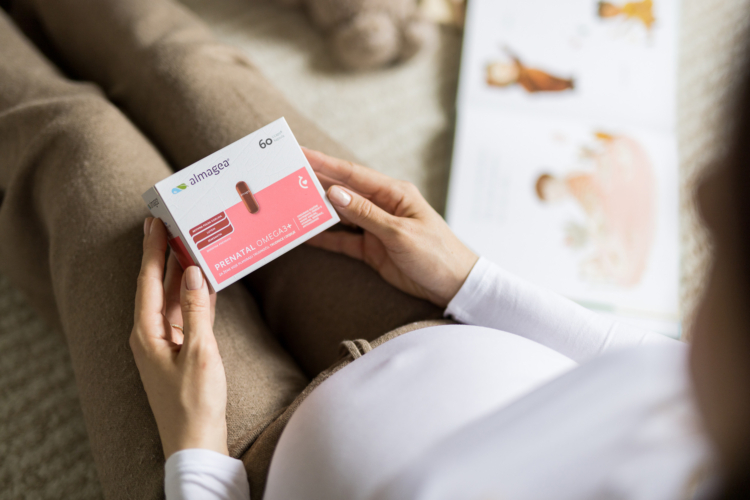
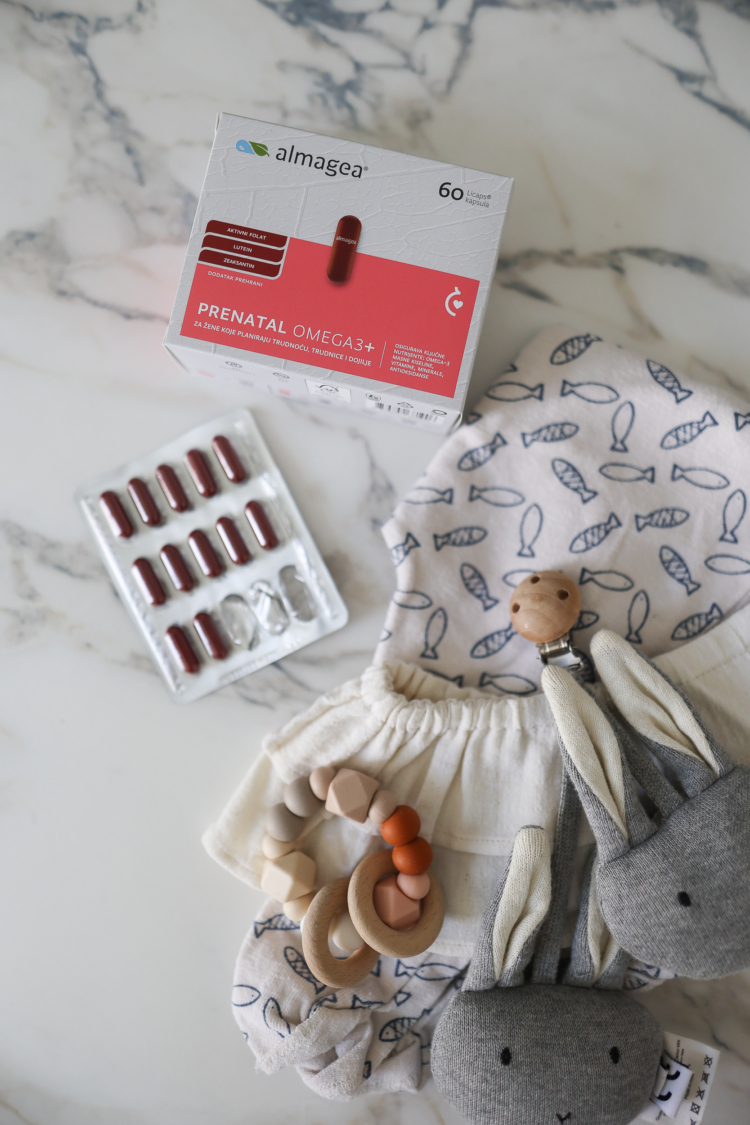
All over the world, it is standard practice for pregnant women to take vitamin and mineral supplements, thereby protecting their own health and contributing to the health of their child. Some of the key ingredients of prenatal nutritional supplements are folic acid, omega-3 fatty acids, vitamins B6, B12, D and E and minerals such as iron and iodine and antioxidants such as selenium, zinc and copper. ANDlmagea Prenatal Omega3+ it stands out as a reliable, useful and safe food supplement for pregnant women, which, in addition to the usual nutrients essential for the development of the child, also contains FloraGLO® Lutein and OPTISHARP™ Natural Zeaxanthin - natural carotenoids obtained from the velvet flower with clinically proven positive effects in all periods of life. FloraGLO® Lutein and OPTISHARP™ Zeaxanthin are manufactured to strictly controlled quality standards, which means that pregnant women can be sure that they are getting pure, standardized and verified substances. These trademarked ingredients guarantee that each capsule contains a consistent and scientifically recommended dose of lutein and zeaxanthin. Also, manufacturers such as FloraGLO® and OPTISHARP™ have developed technologies that enable greater absorption and utilization of lutein and zeaxanthin in the body, which is particularly important during pregnancy when the needs are greater. Using supplements with such proven, protected ingredients gives pregnant women the added confidence that they are investing in proven effective and reliable products, rather than unproven generic versions.


Get to know us
Dietary supplements
Information
Let's connect
© 2024. Almagea d.o.o., Ulica Julija Knifera 4, 10 020 Zagreb
Fixed conversion rate: €1 = HRK 7.5345
buy quickly and safely